A mommy makeover combines cosmetic procedures like liposuction, tummy tucks, and breast enhancements to restore a woman’s pre-pregnancy body. It targets areas such as the abdomen, breasts, and thighs. Many moms ask how long does a mommy makeover take.
According to Dr. Heller from Allure Plastic Surgery, “A mommy makeover can take as little as one hour with laser liposuction. Combined procedures, like a tummy tuck and liposuction, may take four to six hours. These are outpatient procedures, and everyone goes home the same day. Recovery is fairly quick, with liposuction patients returning to work the next day, and tummy tuck patients taking one to two weeks to return to normal activities.”
Let’s break down every treatment procedure in mommy makeover and find out how long it takes.
What Is a Mommy Makeover?
After giving birth, women often experience excess fat, saggy skin, stretch marks, and other problems that affect their appearance. A mommy makeover is a combination of treatments that addresses all these problems.
The combination of plastic surgeries like abdominoplasty, lipoplasty, labiaplasty, breast augmentation, etc., can help moms achieve their dream appearance.
Other treatments like butt lift, thigh lift, skin peels, Botox, and dermal fillers are also done during a mommy makeover. The exact combination of treatments isn’t the same for all moms.
Most moms choose abdominoplasty (commonly called a tummy tuck) and lipoplasty (commonly called liposuction) during a mommy makeover.
How Long Does a Mommy Makeover Take? A Complete Breakdown!
At Allure Plastic Surgery, we use advanced methods like laser liposuction for quicker results. However, some treatments may take longer. Here’s a breakdown of the procedures.
Tummy Tuck (Abdominoplasty)
Tummy tuck or abdominoplasty is the process of removing excess fat and skin from the abdominal area. It also strengthens the abdominal wall musculature.
Treatment Time: Approximately 3-5 hours, depending on the patient’s condition.
Recovery Time: Usually patients return to work in 7 to 10 days. And you will be able to do light activities earlier than that.
Liposuction (Lipoplasty)
Liposuction removes excess fat from under the skin using vacuum suction, commonly targeting areas like the abdomen, buttocks, hips, thighs, and upper arms. Local anesthetics are used to numb the area.
Treatment Time: Traditional methods take 2.5 to 3 hours, while laser-assisted liposuction typically takes about 1 hour or less.
Recovery Time: Patients can return to normal activities within a day after laser-assisted liposuction and may need 2-3 days for recovery with traditional methods.
Breast Enhancement
To restore firmness and shape, treatments include breast lifts, implants, and augmentation.
Treatment Time: Breast lifts take 2-3 hours, while implants or augmentation take 1-2 hours.
Recovery Time: Recovery for breast lifts is about 3-4 weeks, whereas breast implants or augmentation may require 3-5 days.
Other Makeover Treatments
In addition to tummy tucks, liposuction, and breast enhancements, some women opt for labiaplasty, Brazilian butt lifts, and thigh lifts. Each adds to the overall time needed for a mommy makeover.
For a personalized timeline based on your chosen treatments, schedule a consultation with our experts at Allure Plastic Surgery in New York.
Factors Impacting the Time for a Mommy Makeover
All the information mentioned above is true in usual conditions. However, some patients might go through variations that can extend the time for the treatment.
Treatment Count and Type: If patients want to go through multiple surgeries, it will increase the total duration of the makeover. Sometimes, they might need additional days depending on the treatment type.
Physical Conditions: Every mom has a different physical condition and it impacts the duration of the surgery. For example, moms having too much fat in the abdominal area will need 1 to 2 hours more than usual for liposuction.
Mid-Treatment Complexities: Unwanted complexities may occur during a mommy makeover. They will increase the total time for the treatment.
Frequently Asked Questions
Our clients are often concerned about the following questions. We answered them briefly.
Q: Can I have kids after a mommy makeover?
Yes, you can. There will not be any problem having kids in the future. And usually it does not affect the surgical results because everything is sutured into place.
Q: How much weight do I lose after a mommy makeover?
Depending on your fitness level, you may lose up to 10 pounds of fat after a mommy makeover.
Get Back to Being Fabulous with Mommy Makeover!
At Allure Plastic Surgery in New York, NY, we specialize in delivering stunning results through personalized mommy makeovers. Are you wondering how long does a mommy makeover take? Our team will create a custom plan based on your needs, ensuring safe and efficient treatments with exceptional outcomes. Book a consultation today and let us help you achieve your dream look!
Disclaimer: This article is for educational purposes only and is not medical advice. Consult your physician for any medical concerns or before starting any treatment. Do not ignore professional medical advice due to the information read here. The authors are not responsible for any outcomes from the use of this information.
Arm liposuction effectively removes stubborn fat, giving the upper arms a more toned appearance. It’s ideal for those with sagging fat resistance to exercise, and when paired with J-Plasma for skin tightening, the results are even more impressive. But is arm liposuction worth it?
Dr. Heller from Allure Plastic Surgery says, “Definitely. At Allure Plastic Surgery, we perform a great number of procedures and often combine it with the J-Plasma technique for skin tightening. The results are really extraordinary”.
Let’s explore the procedure details, benefits, safety, and effectiveness of the results.
How Does Arm Liposuction Work?
Similar to any other liposuction surgery, the Brachioplasty or arm liposuction procedure includes making small incisions, injecting the fat-dissolving solution, and extracting the remaining. Here are more details:
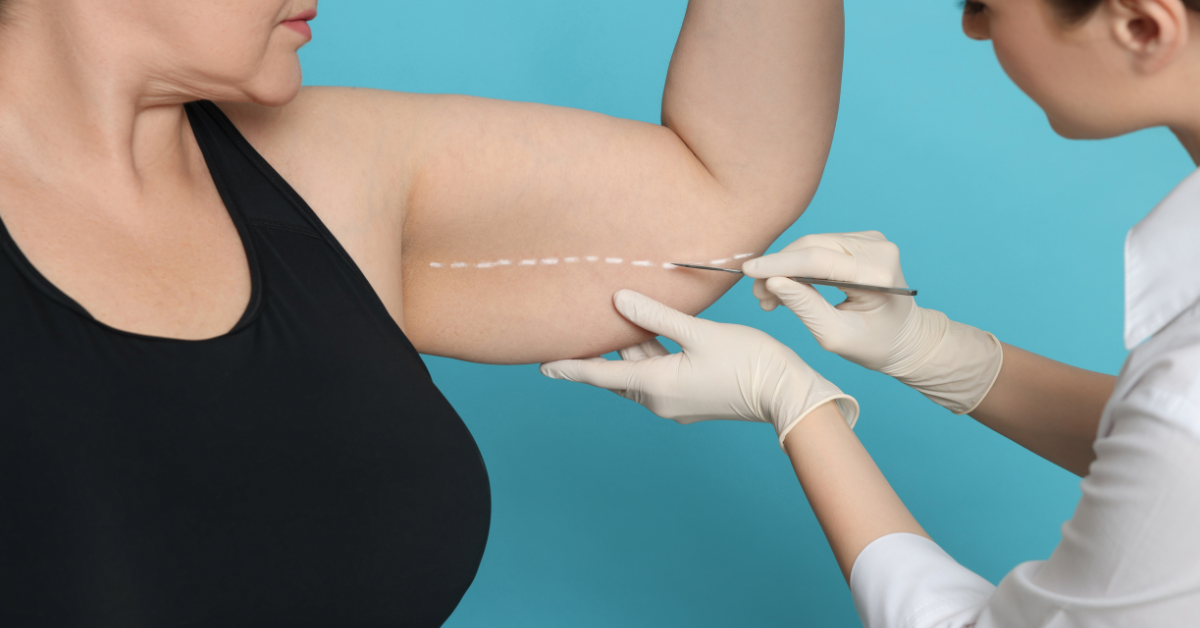
After marking the areas of operation, a professional will apply anesthesia to the area. Small incisions are made under the skin to insert a cannula (tiny hollow tube).
Depending on which liposuction method you choose, the cannula will either release a dissolving solution, laser, or ultrasound wave.
Once the fat cells are broken down into a liquid form, a vacuum is used to extract the excess fat.
Why Is Arm Liposuction Absolutely Worth the Time, and Effort?
High Success Rate and Patient Satisfaction
Research shows that arm liposuction is a highly successful procedure with noticeable, satisfying results. It’s a reliable option for those struggling with stubborn arm fat that doesn’t respond to other methods. If you’re looking for a solution to achieve more defined arms, arm liposuction could be the answer.
Time-Efficient and Long-Lasting
Unlike lengthy exercise and dieting, arm liposuction offers immediate results. Healing and visible results typically take 1 to 6 months, and arms can stay toned for up to a decade with a healthy lifestyle.
Enhanced Shape and Lifestyle
Unlike other arm fat reduction methods, arm liposuction is more precise and natural-looking. Without the extra fat deposits, arms look more toned and defined. It often boosts confidence and brings in positive lifestyle changes.
Low-Risk Procedure
Research indicates that liposuction is generally a safe procedure with minimal risks. Liposuction-assisted Brachioplasty is considered safer than traditional methods, though factors like age, obesity, smoking, and existing health conditions can still increase the likelihood of complications.
Are You a Good Candidate for Arm Liposuction?
Not everyone can undergo liposuction surgery due to medical restrictions. As an ideal candidate for arm lifting surgery, you must:
Have an ideal Body Mass Index or BMI
Consult a board-certified service provider
Maintain a stable weight 6 months before the procedure
Free from active diseases or significant medical conditions
Have good skin tone and elasticity
Not drink alcohol or smoke a month before the surgery
Keep your expectations realistic regarding the outcomes of the procedure
Arm Liposuction: Downtime, Risks, and Aftercare Explained
Recovery Time
For a healthy person, recovery from arm liposuction surgery is very quick. It usually takes just one to two days. Some mild swelling might last for 7 to 10 days. However, most people can return to their regular activities within one to two days. Using a compression sleeve can aid in the healing process and help manage swelling.
Risks
The risks of arm liposuction are minimal, with only a few patients potentially experiencing treatable complications such as infection, scarring, hematoma, contour irregularities, or nerve damage.
Aftercare
Rest and avoid showering for a few days after surgery. Refrain from exercising or heavy lifting for a few weeks. Maintain a stable weight and good skin elasticity for the best results. Consult your doctor if you experience excessive itching or bleeding.
Discover the Benefits of Arm Liposuction with Allure Plastic Surgery
At Allure Plastic Surgery, New York, NY, we know that arm liposuction can be a game-changer for those struggling with stubborn arm fat. If you are asking, “Is arm liposuction worth it?”, let our friendly team show you the extraordinary results this procedure can offer.
From improving your arm shape to enhancing your confidence, we provide top-notch care and outstanding results. Contact us today to find out how arm liposuction can make a difference in your life!
Frequently Asked Questions
Q: How long does it take to recover from arm liposuction?
The recovery time for arm liposuction surgery is very short. There may be mild swelling for 7 to 10 days, but it is not severe. Most people can resume their regular activities within one to two days.
Q: Will arm liposuction help with loose skin?
While arm liposuction primarily removes fat, it can also improve the appearance of loose skin to some extent.
Q: What should I consider before choosing arm liposuction?
Before choosing arm liposuction, you should think about your overall health, and whether you have realistic expectations regarding the results of the procedure.
Q: Is arm liposuction a long-lasting solution for fat removal?
Yes, arm liposuction permanently removes fat cells from the treated area. Maintaining a healthy lifestyle can help sustain the results over time.
Disclaimer
This article is for educational purposes only and is not medical advice. Consult your physician for any medical concerns or before starting any treatment. Do not ignore professional medical advice due to the information read here. The authors are not responsible for any outcomes from the use of this information.
Liposuction is a popular cosmetic procedure designed to remove stubborn fat and contour your body, often resulting in a smoother, more sculpted appearance. While the benefits are clear, many people wonder about the pain involved.
Dr. Heller says at Allure Plastic Surgery, “we provide sedation and anesthesia to make it completely painless. There should be no pain during liposuction if done correctly.”
During the procedure, you’ll be well-cared for with anesthesia to ensure you stay comfortable. Afterward, you might experience some mild soreness and swelling as part of the natural recovery process.
The Liposuction Process: How It Works
Liposuction is a minimally invasive procedure designed to remove excess fat from specific areas of the body. The process begins with the administration of local or general anesthesia to ensure the patient’s comfort throughout the procedure.
A surgeon makes small incisions and inserts a thin tube called a cannula. This cannula is used to break up the fat deposits, which are then suctioned out through the tube. Depending on the technique, fat may be liquefied using lasers or ultrasound before removal. The result is a more contoured and slimmer appearance with minimal scarring.
What are the Various Types of Anesthesia Used in Liposuction?
Understanding the types of anesthesia used in liposuction is crucial for evaluating pain management during the procedure.
Local Anesthesia
Local anesthesia involves administering a numbing agent directly into the targeted area. This approach effectively numbs the specific region undergoing liposuction while allowing the patient to remain conscious.
Although patients may experience sensations of pressure or movement, there won’t be any pain. Local anesthesia is often utilized for less extensive procedures or smaller treatment areas.
General Anesthesia
General anesthesia induces a state of complete unconsciousness, ensuring that the patient experiences no pain or awareness during the procedure. This method is typically employed for more comprehensive liposuction surgeries or when a higher level of patient comfort is desired.
General anesthesia necessitates careful monitoring and results in a more prolonged recovery period compared to local anesthesia.
Some Discomfort During the Procedure
Intraoperative Discomfort
During liposuction, you may experience some mild sensations due to the procedure, such as pressure or tugging, and a slight warmth from the tumescent fluid. Rest assured, anesthesia effectively manages these feelings, ensuring a comfortable experience.
Post-Operative Discomforts
After the procedure, you may experience some mild sensations like tenderness, slight discoloration, or minimal swelling. These are normal and generally easy to manage. With simple pain relief and by following our care guidelines, including wearing compression garments and taking it easy, you’ll enjoy a smooth and comfortable recovery.
Tips for Reducing Post-Operative Discomfort
Adhere to Post-Operative Instructions
Wear Compression Garments
Take Pain Medications as Prescribed
Avoid Strenuous Activities
Apply Cold Compresses to Swollen Areas
Experience Pain-Free Liposuction at Allure Plastic Surgery
At Allure Plastic Surgery in New York, NY, we understand that many patients have a common concern, “Does liposuction hurt?” With our advanced techniques, you don’t have to worry. Dr. Heller assures that our team uses sedation and anesthesia to make the procedure painless.
While you may feel some discomfort during recovery, our team ensures you are as comfortable as possible. Ready to experience safe and effective liposuction? Contact Allure Plastic Surgery today for a consultation!
Frequently Asked Questions
Q: Will liposuction affect my skin quality?
Liposuction typically does not affect skin quality negatively. The procedure removes fat and tightens the skin, often leading to improved contour. However, individual results may vary, and maintaining good skin care practices will support optimal outcomes.
Q: How long does it take for discomfort to subside after liposuction?
Most patients find that discomfort begins to subside within a few days after the procedure. Many are able to return to light activities within a week.
Q: Will I need strong pain medication after liposuction?
Most people manage liposuction discomfort with mild pain relief or over-the-counter medications. Strong pain medication is rarely needed, and your doctor will provide guidance based on your individual needs.
Disclaimer
This article is for educational purposes only and is not medical advice. Consult your physician for any medical concerns or before starting any treatment. Do not ignore professional medical advice due to information read here. The authors are not responsible for any outcomes from the use of this information.
Returning to your pre-pregnancy body is a dream many mothers share. With a mommy makeover, this dream can become a reality. But is a mommy makeover truly safe for your body? At Allure Plastic Surgery, renowned plastic surgeon Dr. Heller assures, “At Allure Plastic Surgery, our procedures are safe due to the extreme measures we take for comfort, sedation, and continuous monitoring by board-certified anesthesiologists. Recovery is carefully coordinated with the surgeon and nursing staff, who are available 24 hours a day for any post-operative care questions.” Let’s delve into the research data and statistics to explore just how safe this procedure is.
What Exactly Is a Mommy Makeover?
A mommy makeover isn’t a single procedure focused on a specific part of the body, like liposuction or breast implants. Instead, it’s a combination of surgeries designed to restore a woman’s body after childbirth. Here’s a brief overview of the procedures involved in a mommy makeover and their respective areas:
Surgical incision, implant placement, or fat injection
Is a Mommy Makeover Safe? Experts Weigh In
According to most researchers, the procedures involved in a mommy makeover are generally safe, although some complications can occur in certain cases. Below are key research findings on the safety and risks associated with the main procedures in mommy makeovers:
Approximately 10%-20% of patients undergoing abdominoplasty face local complications, while systemic complications affect fewer than 1% of patients. The most common issues include:
Seroma: 15%-30% risk of fluid accumulation under the skin flap.
Infection: 1%-8% risk of bacterial growth at the surgical site.
Skin necrosis: 3%-4.4% risk of skin tissue death.
Hematoma: 2% risk of blood collection under the skin.
Skin tissue removal, a key component of mommy makeovers, carries certain risks. Common complications include:
Infection: 1%-3%
Hematoma: 1%-2%
Delayed Healing
Scarring
Nerve Damage
Seroma
Uneven Appearance
A Brief Summary of the Risks and Complications Associated with Mommy Makeovers
After reviewing research data and expert opinions, here are the key complications associated with mommy makeovers:
Seroma and Hematoma: The most common risks. Seroma involves tissue fluid accumulating under the skin, often requiring drainage. Hematoma, a more serious complication, involves blood pooling in the operated area, which sometimes necessitates further surgical intervention.
Infection: Poor postoperative care can lead to bacterial infections, which are usually treatable with medication. Proper care is essential to prevent this.
Scars and Other Skin Deformities: Scarring is a common outcome of surgery, though skilled surgeons aim to minimize visible marks. Poor healing can lead to irregularities and swelling.
Nerve Damage: In some cases, surgery can result in minor nerve damage, leading to numbness, tingling, or altered sensations. Choosing an experienced surgeon can reduce these risks.
Serious Complications: Though rare, serious issues like respiratory problems, stroke, heart failure, deep vein thrombosis, and coma can occur.
Safety Tips for a Risk-Free Mommy Makeover
Choose a surgeon certified by the American Board of Plastic Surgery.
Ensure 24-hour postoperative care by experienced professionals.
Maintain a healthy weight close to your ideal BMI (under 30).
Have a full-body check-up to confirm your eligibility for surgery.
Inform your doctor of any previous health issues.
Discuss surgical options and risks thoroughly with your surgeon.
Quit smoking and drinking at least one month before surgery.
Keep surgical areas clean and dry, following all postoperative instructions.
Act promptly if you experience pain, discomfort, or other concerning symptoms.
Final Words
I hope this article has provided helpful insights. If you’re seriously considering a mommy makeover, book a free consultation with us. Let’s talk about how we can help you make the best decision for your body and well-being.
Brand Promotion
At New York Plastic Surgery Allure, we specialize in transforming lives with our comprehensive range of plastic surgery and aesthetic services. Our clinic offers personalized care tailored to enhance your natural beauty. Whether you’re interested in a facelift, breast augmentation, or non-surgical treatments like Botox or fillers, our state-of-the-art facilities and dedicated team ensure a safe, comfortable experience. We strive to help you achieve your aesthetic goals with the highest standards of care and professionalism.
Disclaimer
This article is for educational purposes only and does not constitute medical advice. Always consult with your physician for any medical concerns or before starting any treatment. Do not disregard professional medical advice based on information read here. The authors are not responsible for any outcomes from the use of this information.
In today’s world, where self-care and self-love are increasingly prioritized, body contouring has emerged as a popular choice for individuals seeking to enhance their appearance and boost their confidence. Body contouring procedures offer transformative results beyond mere aesthetics, from removing stubborn fat deposits to tightening loose skin. Let’s delve into the world of body contouring and explore how these procedures can sculpt both bodies and lives.
Body contouring encompasses a range of surgical and non-surgical procedures designed to reshape and refine various areas of the body. Whether addressing excess fat, sagging skin, or stubborn cellulite, these treatments are tailored to each individual’s unique needs and goals. Among the most sought-after body contouring procedures are liposuction, abdominoplasty (tummy tuck), breast augmentation or reduction, arm lift, thigh lift, and buttock augmentation.
Liposuction is one of the most popular and versatile body contouring procedures. It involves the targeted removal of excess fat deposits using a suction technique, effectively sculpting areas such as the abdomen, thighs, hips, buttocks, arms, and chin. With advancements in technology, minimally invasive techniques like laser-assisted liposuction and ultrasound-assisted liposuction have further enhanced the precision and safety of the procedure, resulting in quicker recovery times and smoother outcomes.
For individuals struggling with loose abdominal skin and weakened muscles due to factors like pregnancy or significant weight loss, abdominoplasty offers a comprehensive solution. This procedure involves the removal of excess skin and fat from the abdomen while tightening the underlying muscles, resulting in a firmer, more toned midsection. Beyond cosmetic benefits, abdominoplasty can also alleviate discomfort associated with skin laxity and improve posture and core strength.
Body contouring extends beyond the abdomen to address other areas of concern, such as the arms, thighs, and buttocks. Arm lift surgery, or brachioplasty, removes excess skin and fat from the upper arms, creating a more sculpted and youthful appearance. Similarly, thigh lift surgery targets sagging skin and tissue along the inner and outer thighs, enhancing leg contours and symmetry.
In recent years, the demand for buttock augmentation procedures has surged, driven by cultural influences and the desire for fuller, shapelier buttocks. While traditional buttock augmentation techniques involved implants, fat transfer or Brazilian butt lift (BBL) procedures have gained popularity for their natural-looking results and lower risk profile. BBL involves harvesting fat from donor areas via liposuction and injecting it into the buttocks to enhance volume and shape.
The benefits of body contouring extend beyond physical changes, profoundly impacting individuals’ mental and emotional well-being. Many patients report increased self-confidence and renewed empowerment following their procedures. By achieving their desired body contours, individuals often experience improved body image and a greater willingness to engage in social activities and pursue their goals with newfound confidence.
However, it’s essential to approach body contouring as a journey rather than a quick fix. Realistic expectations, thorough pre-operative evaluations, and open communication with a board-certified plastic surgeon are crucial for successful outcomes. Additionally, maintaining a healthy lifestyle through balanced nutrition and regular exercise is key to preserving and maximizing the results of body contouring procedures.
In conclusion, body contouring offers a transformative opportunity for individuals to sculpt their ideal physique and embrace their best selves. Whether it’s eliminating stubborn fat, tightening loose skin, or enhancing curves, these procedures empower individuals to achieve their aesthetic goals and live life with newfound confidence and vitality. With advancements in surgical techniques and a personalized approach to care, the journey to a sculpted silhouette has never been more accessible or rewarding.
Are you a new mom struggling to regain your pre-pregnancy body? If so, say hello to the mommy makeover and goodbye to stubborn stretch marks and excess body fat.
So, what is a mommy makeover surgery and what does it consist of? Dr. Heller explains, “A mommy makeover is one of our most popular procedures. It consists of techniques to improve overall appearance after pregnancy. This may include 360 liposuction, fat transfer to the hips and buttocks, a full tummy tuck to improve belly flatness and eliminate hanging skin, breast lifts, and shaping, sometimes with implants. Other aspects can include labia reshaping and vaginal tightening, and recently, skin tightening with our J-Plasma laser, including the neck and facial areas.”
Read this article to get all the crucial details about a mommy makeover!
What is a Mommy Makeover Surgery?
A mommy makeover is not a specific procedure. It is a collection of procedures that help define and enhance the contours of the bodies of women who have had multiple children or have experienced weight loss.
These makeovers are specially designed to offset the physical effects of pregnancy. The procedures are customized according to the needs of the patients. For instance, patients can undergo breast implant surgery to uplift saggy breasts.
Plus, they can remove excess fat from their stomach area to get a toned stomach or undergo BBL to enhance the shape and size of their posterior. All these procedures make patients look younger and in perfect shape after childbirth.
What Does a Mommy Makeover Consist of?
Previously, when the concept of mommy makeover was fairly new, it only included getting breast implants and abdominoplasty.
Over the last decade, as the popularity of mommy makeover increased, so did the desires of patients who wanted different plastic surgeries in a single procedure. Now, mommy makeover includes the following procedures:
Breast Augmentation
As women age or after multiple years of breastfeeding, breasts tend to lose their elasticity and shape. As a result, the breasts look deflated and deformed. To address these issues and get more fuller and rounder breats, many women opt for breast augmentation surgery.
During the procedure, a small incision is made in the chest area. Then, the doctor carefully inserts saline-filled or silicone-filled implants beneath the patient’s pectoralis muscle.
Breast augmentation surgery is widely popular among women in developed countries. Typically, this surgery is performed under general anesthesia, and takes approximately 40-90 minutes.
Mastopexy/ Breast Lift
In certain cases, individuals may experience a condition where their nipples descend below the inframammary fold. In addition to breast augmentation, these patients may require a procedure known as mastopexy.
During a breast lift, excess skin in the chest area is carefully removed by surgeons. The surrounding tissue is then tightened, and the nipple and areola are repositioned.
It is important to note that a breast lift does not significantly change the size of the patient’s breasts. Instead, it just improves the shape and position of saggy breasts.
The process of mastopexy is not overly complex. According to researchers, only 3% of patients who undergo mastopexy, experience issues like scarring and a loss of sensation in the nipple area.
Abdominoplasty/ Tummy Tuck
The number of people undergoing abdominoplasty has tripled since 2016. During a mommy makeover, women opt for abdominoplasty to fix the following issues:
Loose abdominal skin.
Excess fat around the stomach and waistline.
The formation of stretch marks in the abdomen.
Weak abdominal muscles.
Based on individual needs, doctors recommend different types of tummy tucks. For example, the surgeon may suggest a mini tummy tuck if the patient desires to remove a small amount of excess skin from the abdominal area.
On the other hand, if a patient has significant excess skin and fat, the doctor will perform an extended tummy tuck. During this process, the doctor will make a long cut near the patient’s hipbones to remove excess skin and fat from the abdominal area.
Then, the doctor will tighten the abdominal skin and lift the upper abdomen to make the patient’s abdominal area look more toned and less saggy.
Liposuction
In 1921, a French doctor attempted to remove subcutaneous fat using a uterine curette on a ballerina’s knees and calves. Over time, this procedure has been refined, modernized, and named as liposuction.
Today, liposuction is a widely recognized and commonly performed cosmetic surgery procedure. It simply involves suctioning out the excess body fat from a person’s abdomen, thighs, and hips that he or she is unable to get rid of through exercise or a healthy diet.
After pregnancy, the number of fat cells in a woman’s body increases by around 40%. These fat deposits typically accumulate in areas such as the arms, thighs, buttocks, stomach, and hips.
To get back in shape quickly, many women opt for liposuction as part of a mommy makeover. During the liposuction procedure, the following things occur:
The doctor injects the patient with a solution that magnifies the treatment area.
Epinephrine is given to the patient to minimize bleeding during surgery.
Numbing medicine and anesthesia are provided to make the surgery less painful for the patient.
Surgeons make small incisions in the targeted fatty areas and carefully insert a thin tube.
The thin tube is connected to a vacuum device that suctions out the excess fat.
Rhytidectomy/ Face Lift
Aging significantly affects the facial features of both men and women. Some common facial changes include:
Sagging skin around the cheeks and jowls.
Wrinkles and smile lines form around the eyes and lips.
The formation of stubborn acne scars.
To get a more chiseled, and younger look, women in their late thirties often opt for face lift surgeries. During a face lift, surgeons make small incisions near the hairline by the temples and in front of the ears.
Then, they lift and reposition the skin, tighten the facial muscles, and remove excess skin to reduce the appearance of sagging skin and wrinkles on the face.
Gluteal Fat Grafting
Gluteal fat grafting is a procedure that lifts, and adds volume to the buttocks of women who have greatly lost weight or have a flat derrière.
Here, doctors use liposuction to remove excess fat from the mid-section, thighs, and lower back of the patient. The extracted fat is then processed and skillfully injected into the hips and buttocks using a needle-like device.
After the surgery, the patient gets a fuller behind, a slimmer stomach, and toned thighs.
What are the Benefits of a Mommy Makeover?
Below, we have listed the key benefits of getting a mommy makeover. Some of these benefits are:
Patients can get rid of their C-section scars and stretch mark scars by getting a tummy tuck.
The swelling, scarring, and pain vary from person to person, but all of these issues go away with proper recovery and aftercare.
How Much Does it Cost to Get a Mommy Makeover?
The cost of a mommy makeover depends on various factors such as:
The number of surgeries chosen by the patient.
The amount of excess skin and fat that needs to be removed.
The quality of pre and post-operative care.
The surgeon’s expertise and popularity.
The clinic where the patient is getting the makeover.
Generally, a patient needs to pay around $12,675 to get a mommy makeover that includes breast augmentation and a tummy tuck. This amount can increase to $30,000-$50,000 if the patient adds more surgeries to their mommy makeover, such as:
Face lift.
Labia reshaping.
Vaginal rejuvenation.
Thigh lifts.
Final Words
Overall, mommy makeover has become a popular trend in the cosmetic surgery industry. Surgeons worldwide have performed 325,000 mommy makeovers in the last decade.
These surgeries allow women to regain their well-proportioned and radiant bodies after pregnancy. Additionally, women in their late 40s or 50s now have the chance to transform their bodies through mommy makeovers.
Get Back in Shape After Pregnancy With Allure Plastic Surgery
At New York Plastic Surgery Allure, we specialize in transforming lives with our comprehensive range of plastic surgery and aesthetic services. Our clinic offers exceptional results tailored to each patient’s unique needs and desires, ensuring a personalized experience that enhances your natural beauty.
Whether you’re considering a facelift, breast augmentation, or a non-surgical treatment like Botox or fillers, our state-of-the-art facilities and dedicated team provide a safe and comfortable environment. We are committed to helping you achieve your aesthetic goals with the highest standards of care and professionalism.
Disclaimer
This article is for educational purposes only and is not medical advice. Consult your physician for any medical concerns or before starting any treatment. Do not ignore professional medical advice due to the information read here. The authors are not responsible for any outcomes from the use of this information.
Did you know that many women today are starting to see their bodies differently? It is not only a fashion trend. It is a new way of life. More women are choosing to get breast implants to feel more confident and happy with their appearance.
But, the main question remains, are breast implants safe? According to Dr. Heller, “Breast implants are safe if the procedure is performed correctly and with appropriate postoperative examinations to check for any complications.”
In this article, we will explore important details about breast implants and discuss whether they are safe or not. So, let’s get started!
What Are Breast Implants?
Breast implants are circular silicone sacs filled with saline water or silicone gel that are inserted in the chest area of both men and women. Yes! men can also have breast implants. The primary purpose of breast implants is to give sagging breasts volume, a lifted shape, and a soft feel to the touch.
People whose breasts have been damaged or distorted due to accidents have benefited from the invention of these implants. Breast implant surgery has become a new trend in modern society, especially among women.
From celebrities to housewives, many individuals tend to insert breast implants in their chest to enhance their beauty, confidence, and appeal.
Overview of the Safety Conversion and Assurances Regarding Breast Implants
In 1961, the first breast implants were invented and inserted into the human body. Since then, extensive research, surveys, and debates have been conducted to assess the safety of breast implants.
According to medical experts, the safety of breast implants primarily depends on the patient’s physical health. Additionally, doing regular MRI scans, maintaining a healthy lifestyle, and following a proper diet can significantly increase the safety of breast implants for individuals.
There are several key factors that impact how safe breast implants will be for an individual and if they should get breast implants to enhance the appearance of their breasts. Some of these factors are listed below.
Type of Breast Implants
How safe breast implants are largely depends on the type of implants that the patient is planning to get.
In 2023, researchers in Denmark conducted an extensive study with 238 women. The researchers found no evidence that silicone breast implants increase the risk of developing autoimmune diseases, cancerous tumors, or neurological diseases among patients.
Expertise of the Doctor
It is crucial to have breast implants inserted by a highly skilled and reputable doctor. Any mistakes made by the surgeon during the procedure is unacceptable.
That’s why it’s important to be very careful about who you choose to take care of your good looks. You should talk to our doctors to get a clearer idea of how to stay safe and get a better service.
Patient’s Medical History
Even though the success rate of recent breast implant surgeries is 98%, some patients with specific genetic conditions and medical histories are not recommended for the procedure.
For example, if a patient’s mother and grandmother have a history of developing skin infections or any type of cancer, the patient should not get breast implants.
Additionally, researchers have found that getting breast implants increases the risk of individuals getting infected by diseases such as:
Sjogren syndrome
Rheumatoid arthritis
Scleroderma
Melanoma
Lupus.
So, if an individual has a low white blood cell count, frequently experiences fatigue in daily tasks, has a history of heart attack, or has a family history of diabetes, asthma, or any other chronic disease, they should consult with their doctor before deciding to get breast implants.
The Placement of the Implant
The safety of breast implants also depends on the placement of the implant. In the past, surgeons inserted implants on top of the muscle. But, nowadays, doctors insert the breast implants behind the muscle in the chest area of the patient.
This prevents breast implants from easily rupturing and deflating after experiencing any impact or over a certain period of time. Moreover, modern breast implants are textured and made of thicker materials. Thus, they tend to be more durable.
If inserted properly, they do not easily form leaks, become deformed, or cause any discomfort to the patient.
General Recommendations for People Planning to Get Breast Implants
Check out the information we have provided below. Here, we have given some recommendations that will be helpful for individuals who are planning to get breast implants.
Getting breast implants is a lifelong decision. So, people should take the time to consult with doctors and loved ones before getting them.
Women who are not legally of mature age should not undergo breast implant surgery.
Patients should discuss with their surgeon about the placement of the breast implant underneath the breast. This is because it has a lower rate of capsular contracture.
It’s important to know that breast implants might have side effects in some cases. Patients should be fully confident before deciding to get implants.
Final Words
Overall, in the last decade, getting breast implants has become as normal as getting a root canal in developed countries. Women and men of different ages and backgrounds choose to get implants to enhance the shape and appearance of their chest area. Some individuals get breast implants for medical reasons.
Whatever the reason for getting breast implants may be, it is crucial to understand that like any other surgery, it has its pros and cons. And the best way to know about it is sitting with the professionals.
We would love to see you at Allure Plastic Surgery. You can get a free consultation. Once you make the move towards us, the rest of the way will be easy.
Safest Place to Do Breast Implants: New York Plastic Surgery Allure
At New York Plastic Surgery Allure, we specialize in transforming lives with our comprehensive range of plastic surgery and aesthetic services. Our clinic offers exceptional results tailored to each patient’s unique needs and desires, ensuring a personalized experience that enhances your natural beauty.
Whether you’re considering a facelift, breast augmentation, or a non-surgical treatment like Botox or fillers, our state-of-the-art facilities and dedicated team provide a safe and comfortable environment. We are committed to helping you achieve your aesthetic goals with the highest standards of care and professionalism.
Disclaimer
This article is for educational purposes only and is not medical advice. Consult your physician for any medical concerns or before starting any treatment. Do not ignore professional medical advice due to information read here. The authors are not responsible for any outcomes from the use of this information.
We’re going to go out on a limb and say that plastic surgery is one of the most misunderstood fields in medicine. In truth, that limb is more like a second trunk of the tree.
Many patients expect to walk into a plastic surgeon’s office with a picture of Christina Hendricks and say, “I’d like these breasts, please!” It’s actually a more involved process.
Breast augmentation surgery comes with a side range of choice: implant type, size, incision location, implant placement, adding a lift, and more. For you, the patient, that’s good news! It might make for a more complex consultation than you thought but it gives you more control over your results.
One of the key choices you’ll need to make is the type of implants you want. For the most part, you can choose between saline vs silicone implants. To help with your choice, check out these pros and cons.
Pros and Cons of Saline vs Silicone Implants
For the most part, breast augmentation has a high patient satisfaction record. In fact, 98% of patients on the popular cosmetic review site RealSelf were happy they had their surgery.
Still, some patients might have certain aspects of their results that they like or dislike. Everyone you talk to has a different experience, and part of that depends on the implants they choose. Here’s how you can compare your choices.
Advantages of Saline Implants
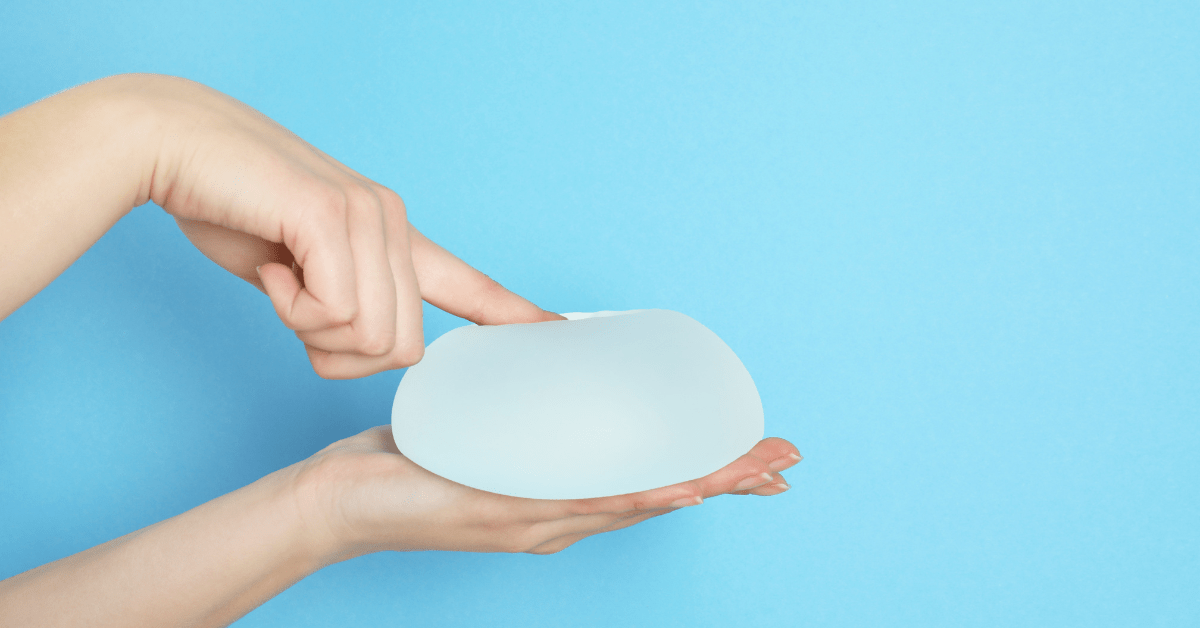
A saline breast implant has a silicone shell that’s filled with saline, a sterile saltwater mixture. Picture it like a water balloon that’s round rather than teardrop-shaped. While silicone implants were on the market first, saline implants have some unique advantages.
Easier Rupture Detection
With all implants, there is a risk that it will one day rupture. In other words, it may develop a tear in the silicone shell.
In saline implants, the saline leaks out when this happens and your body absorbs it. That causes your implant to “deflate,” so you know right away when the rupture occurs. If this happens, you would know to call your surgeon to schedule an implant replacement.
Potential for a Smaller Incision
Did you know surgeons actually place silicone and saline implants in different ways? A silicone implant comes from the manufacturer pre-filled. With a saline implant, the surgeon just receives the empty shell from the manufacturer. They place the shell inside the breast first and then fill it with saline.
As a result, saline implants don’t need as large of incisions because the surgeon only needs room for a compact shell, not the whole implant. For patients, this means a smaller scar.
Keep in mind, though, that your scar will vary based on other factors too. If you choose a breast lift along with your augmentation, for instance, the scars will be the same no matter what implants you choose.
Ruptures Have Fewer Risks
You may have heard of saline before. Think of it as a neutral fluid for your body: a harmless one that doctors can use to replace other fluids like plasma.
In the case of a rupture, this is good news. It means your body will absorb the saline from your implant in a safe, non-toxic way.
With silicone implants, on the other hand, your body doesn’t absorb the silicone if the implant ruptures. While we haven’t found silicone ruptures to cause health problems, they can later lead to symptoms like breast pain if you don’t catch them.
Available at a Younger Age
Many people think that patients of any age can get plastic surgery as long as a parent consents if they’re under 18. When it comes to breast implants, though, there are even more restrictions.
Silicone implants are only FDA-approved for patients who are at least 22 years old. Saline implants, on the other hand, are FDA-approved for ages 18 and up.
For patients who are between 18 and 22 years old, some choose to get saline implants now rather than waiting until they can get silicone implants.
Disadvantages of Saline Implants
While the advantages of saline implants can be alluring, most surgeons and patients prefer silicone implants due to these disadvantages of saline.
Publicly Noticeable Ruptures
As we mentioned above, you will notice right away if your saline implant ruptures. While that’s good for rupture detection, most patients see it as a negative overall.
Imagine being on vacation or in a public place when your implant starts to deflate. The worry about having very uneven breasts until their replacement surgery is enough to scare away many patients from saline.
Higher Risk of Rippling
As with any medical procedure, breast augmentation has some risks of side effects or complications. While it’s not dangerous, rippling is a complication that leaves some patients feeling frustrated with their results.
“Rippling” after breast augmentation means that the implant creates irregular ridges or ripples on the top of the breast. It’s understandable that this makes patients feel embarrassed to show their breasts, even in bath suits and low-cut clothing.
While rippling is possible with any breast augmentation, it’s not as rare for saline implants as it is for silicone. If you choose to have your implant on top of your pectoral muscle rather than under it, the risk is higher still.
Not Good for Women with Little Soft Tissue
A breast augmentation surgery can be much different for women going from a C cup to a DD compared to women going from an A to a D. For women who don’t have much soft tissue to start with, saline implants don’t tend to be a good fit.
There are plenty of patients that this could apply to. In addition to women with small breasts, women who are getting implants as part of a breast reconstruction after a mastectomy may fall into this group. In addition, patients who are receiving male-to-female gender confirmation surgery tend to be better suited for silicone than saline implants.
Higher Risk of Downward Displacement
Breast implants aren’t immune to gravity. The problem, though, occurs when it drops so much that it creates a “lump” under the breast. While it’s not a health risk, it doesn’t create a look patients want, either.
Like rippling, this displacement is a possibility with any implant but it tends to happen more with saline implants. Saline implants are heavier than silicone ones, so gravity has more of an impact on them.
Advantages of Silicone Implants
To really have a better picture of your options, it’s important to weigh the pros and cons of silicone as well as saline. Silicone implants have a similar shell to saline ones, but instead of saline, they’re filled with a thicker silicone gel. Check out the unique advantages they offer.
Look More Natural
For the most part, this is the factor that sways most patients toward silicone implants. They tend to pair well with the breast’s natural shape so they look more like natural breasts.
By contrast, saline implants tend to add more roundness at the top of the breasts. Natural breasts are shaped more like teardrops than globes, so the saline implants tend to make it more noticeable that a woman has implants.
More Natural Feel
Silicone implants don’t just look more natural. They tend to feel more natural as well.
The texture and weight of silicone implants tend to mimic natural breasts better. Women with saline implants, on the other hand, often say their breasts feel like water balloons in a way.
On top of the feeling on your chest, silicone implants feel more natural to the touch as well. For a woman who wants her surgery to be discrete, silicone may be the way to go.
Last Longer
There’s a common misconception that breast implants last forever. In truth, they do eventually need replacement after a few decades.
While this isn’t a guarantee, many breast augmentation surgeons feel that silicone implants tend to last longer than saline. Over the course of a lifetime, this can make a big difference.
For instance, let’s say you get implants at 25. Perhaps your saline implants last 15 years and your silicone implants last 20 years. By age 70, you will have had three saline implant replacements compared to two with silicone. Keep in mind that each patient is unique, though, and that these numbers are only theoretical.
More Options Available
If you’re someone who enjoys customization, silicone implants may be the better choice for you. They offer a wide variety of options than saline implants do.
For instance, there’s a new type of silicone breast implant known as “gummy bear” implants. The silicone gel inside them is thicker and more cohesive. Think of the texture of a gummy bear. These implants offer more distinct shaping than saline implants or traditional silicone implants.
Disadvantages of Silicone Implants
Of course, as with any medical device, silicone implants have their disadvantages to consider as well. Here are the factors you need to think about.
Silent Rupture
As we mentioned above, when a saline implant ruptures, you know about it because your implant will “deflate.” With a silicone implant, on the other hand, the silicone stays in place in the area around the implant.
When this happens, most patients don’t realize their implant has ruptured. That’s why women with silicone implants are advised to get MRI scans every several years. These MRIs can detect an implant rupture so you can get your implants replaced.
Less Customization During Surgery
When you choose your implants, you and your surgeon will also discuss what size of implants you want. Implant sizes are based on the filling volume, so you’ll hear the sizes measured in CCs or cubic centimeters.
Silicone implants come from the manufacturer filled and sealed. Your surgeon can choose the specific filling volume for each breast but when the implants arrive, their sizes are fixed.
Saline implants, on the other hand, offer more flexibility. Your surgeon will fill them after they’re in place. This allows the surgeon to make on-the-spot changes to make sure your breasts are symmetrical.
In truth, this could be a pro or a con for silicone implants. You might miss the customization of saline implants, but you might also be worried about whether your results are less predictable with surgeon-filled saline implants.
Higher Cost
The cost of a breast augmentation surgery depends on many factors like your surgeon and your location. It also depends on the implants you choose.
Silicone implants require more expensive material, so manufacturers charge more for them. That extra cost is passed along to you. Just as a car repair has “material costs” and “labor costs,” so does a breast augmentation.
Still, the cost difference isn’t significant enough to play a part in many patients’ decisions.
Which are More Popular: Silicone or Saline Breast Implants?
Sometimes it’s helpful to consider the path other patients have chosen. When it comes to breast augmentation, the overwhelming majority choose silicone. In fact, in 2017, 87% of breast augmentations in the US used silicone compared to 13% who used saline.
Should I Choose Silicone or Saline Breast Implants?
When it comes down to it, your choice is a personal decision. Every patient is unique, and you need to take your own circumstances and goals into account to decide between saline vs silicone implants.
On top of considering these pros and cons, it’s a good idea to look at photos as well. Look for before and after photos for patients with silicone implants and those with saline implants so you can compare them. Pay close attention to the patients who started with similar body types and breast sizes to you.
Remember that throughout all this, your plastic surgeon is a great resource. A surgeon has years or decades of experience working with each type of implant and has likely treated patients with similar body types to you. They’ll be able to make their recommendation about which option suits you best.
If you’re ready to take the next step toward breasts that make you feel confident, schedule your consultation with our plastic surgeons today.
Being insecure about the length or girth of your penis can be incredibly crippling. It can affect your confidence not only in the bedroom but in all parts of life.
If your penile insecurity is taking over your life, you might want to look into your options like plastic surgery. We have you covered with everything you need to know about penile implant surgery.
Consider This Before Getting Penile Implant Surgery
It’s important to realize that the information in this article is to give you all the tools and knowledge you need before you make your decision. Like any surgery you should always consult with a doctor before going under the knife, so you can understand any risks you are putting yourself in danger of.
There are also other things to consider. For instance, are there other ways you can work on your confidence besides going through an invasive surgery like getting a penile implant?
We try our best to give you all the information, benefits and risks on penis enlargement surgery that you could never need. Surgery isn’t like getting a daring haircut. Hair will grow back, but most of the time surgery is forever and often painful or difficult to reverse.
This is why it is crucial that you should make absolutely sure that this surgery is right for you, which also means being realistic with your expectations.
Different Types of Procedures
Depending on what your goal is with your penile surgery, there are different options. If you want more growth, you may opt for a lengthening surgery. And if you’re looking for more girth, you may look into an enhancement surgery. Here are your options.
Penis Lengthening Surgery
The most common technique for this surgery involves cutting your suspensory ligament, which connects your penis to your body. After this ligament is cut, then plastic surgery is performed to let the skin accommodate the extra length.
Since your suspensory ligament is what makes your penis erect or stands up, it’s possible that after the surgery your erection will point downward. If you are getting this procedure to consider if you’d prefer your penis as it but with a straight erection, or your penis longer but with a downward erection.
Penile Girth Enhancement Surgery
If you’re happy with the length of your penis but are looking for more girth or thickness, then you might want to look into a penile girth enhancement surgery. There are two common techniques used to get a girthier penis.
The first procedure includes liposuction which removes the fat from your abdomen or thighs, which is then injected under the skin of your penile shaft. Unfortunately, the results from this procedure might only be temporary, as fat is eventually absorbed into the body.
Another procedure is to use graft skin and fat from the buttocks and to inject it into the penile shaft. It has been said this is procedure lasts longer, but there isn’t enough research to support this.
How Much Does Penile Enlargement Surgery Cost?
Another thing to consider when getting penile enlargement surgery is the cost. Unfortunately, there isn’t a definitive answer, because the cost can vary based on factors like who your surgeon is, where you’re located and what exact procedure you’re getting.
Typically an implant surgery includes all surgeon and anesthesias costs as well as the price of the operating room and implant or implants. This can come to around $20,000, but this can change based on what kind of implant you go with.
Sometimes Medicare or your insurance can cover the cost of surgery, but only after you get pre-certified. Be sure to check with your health care provider to find out what the policy is before you commit to your surgery.
The cost of this surgery can vary based on where you are located. For example, the average cost of penile enlargement in the UK is somewhere between $5,100 to $7,300 U.S. dollars.
In the U.S., this price comes to closer to anywhere between $6,000 to $15,000. And in Germany, which actually happens to be the most common place for this surgery, this procedure can cost around $10,000 US dollars for a combined girth and length enlargement.
In other words, the exact cost varies based on what you want, where you get it and who does the procedure. So consult with your doctor to get the exact price
Penile Enlargement Implant Surgery
If you’re considering an implant, to enhance the girth, this is known as penile enlargement implant surgery. There are different types of implants you can get with this surgery, here they are:
A Dermal Implant
A dermal implant is used mainly to enhance girth, but can also help increase subtly length. In this procedure, which is somewhat rare, fat is taken from other areas of your body such as the thighs or abdomen and is transplanted into the penis.
Often surgeons avoid this procedure because it can be hard to properly distribute fat cells evenly without clumping. If clumping happens, then the penis appears lumpy. Another issue that can occur is the head of the penis can’t be enlarged, resulting in the head and shaft not being proportional.
Inflatable Implants
Because dermal implants can be a little unpredictable, inflatable penial implants tend to be more common in the United States. Most inflatable implants are made up of two pieces, while some others have three pieces.
The two-piece model is made up of two cylinders that are inserted into the penis and attached to a pump in the scrotum. There is a small fluid-filled reservoir that is also part of the implant.
Similar to the two-part model, the three-piece model also has two cylinders that are inserted into the penis and a larger fluid-filled reservoir. These models are different in the three-piece model.
Both of these inflatable models work similarly. Before intercourse, you would have to squeeze the pump and fill the cylinders with a saline solution from the reservoir which will cause an erection. After intercourse, the cylinders would have to be deflated.
The three-piece implant tends to produce a better erection than the two-piece system. Other benefits of the three-piece implant include the ability to inflate and deflate on command. There’s also a reduced risk of damage from constant internal pressure to the inside of the penis with this model.
Semi-Rigid Rod Penis Implants
There are also penis implants that consist of malleable rods that are placed in the erection chambers of the penis. These rods can be bent into an erect or not-erect position. However, these implants are always firm which means there will be a constant pressure on the inside of the penis.
But there are some benefits like it’s less expensive, the surgery is simpler and there are fewer parts than inflatable penile implants.
Penis Implantation Procedure
Penis implantation surgery can take up to 90 minutes and also can be done as an outpatient procedure. In some cases, the patient needs to stay overnight in the hospital.
During surgery, which involves general or sometimes spinal anesthesia, a catheter is put in the bladder through the urethra to drain urine. This catheter is usually removed within 24 hours of surgery.
During the surgery, the surgeon makes an incision below the head of the penis at the base of the penis or lower abdomen. The location of where this incision is made depends on what kind of implant is being used and the surgeon’s preference.
Then the surgeon will dilate the corpora cavernosa, which is the tissue filled chambers inside the penis. Next, the area is flushed with antibiotic fluid to stave off any infection as the cylinders or rods are implanted.
If the implant is an inflatable penis, the surgeon will place the pump on the outside of the scrotum, and then place the fluid-filled reservoir on the scrotum or fluid-filled reservoir in the scrotum or lower abdomen. Then when the device is in place the surgeon closes the incisions.
What to Expect After the Surgery
Your surgeon will give you a list of instructions to follow after your surgery. This aftercare list may include taking antibiotics to prevent infection and wearing clothing and underwear that is loose until your scars have healed.
You should be able to get back to any strenuous physical activity about a month after surgery. You also should be able to resume sexual activity about four to six weeks after surgery. You should consult with your doctor, as this can vary from person to person.
You should also know that penile implant surgery is permanent and if it is removed, you could experience erectile dysfunction.
Risks of Penile Implantation
Like any procedure, there are risks with penile implant surgery. Risks of this surgery include infection and mechanical failure.
The more components of your implant the greater the risk there is for mechanical failure. This means that there is a greater risk of mechanical failure with a two or three piece implant than there is with a semi-rigid rod system. At the same time. a three-piece inflatable implant is considered to be the most effective to produce the best erections.
Does Penile Enlargement Surgery Actually Work?
It’s hard to say how effective penile enlargement surgery as there hasn’t been a ton of clinical research to support it. Most of these statistics are from patients who measure themselves rather than a clinical study.
Most people who are actually seriously considering penile enlargement, are looking for substantial results and might be disappointed with the mere half inch of girth or length these procedures deliver.
Results have been reported using pumps, extenders, and daily penis enlargement exercises. Overall it tends to show that unless you have some sort of physical defect you’re trying to fix, penile enlargement surgery is probably best to leave as a last resort when all other attempts to gain length and girth have failed.
Are You Eligible for Penile Enlargement Surgery?
Another thing to consider when looking to get this surgery is to find out if you are a candidate for penile implant surgery. Not everyone is a candidate.
To be eligible for this procedure you have to have trouble achieving erections and are not responsive to erectile dysfunction drugs, suppositories, injections or vacuum devises. If you have Peyronie’s diseases or a disorder that is identified by pain and bending of your penis during an erection, or if this disorder happens with erectile dysfunction, this procedure might be right for you.
Before the procedure, your surgeon will also have to take a careful look at your history as well as do a physical exam to see if you are a candidate for this surgery.
During this exam, your surgeon will try to find out what causes your erectile dysfunction and if there are any co-existing problems like loss of desire, the inability to ejaculate or premature ejaculation. Your surgeon will also check out the length, stretchability and overall condition of your penis.
If it is determined that you are a candidate for this procedure and want to go through with the surgery, you will get a large list of what to do before the surgery. This list will include which medications you can and cannot take leading up to the days of your procedure.
Your surgeon might also tell you to bathe with an antibiotic soap before your surgery to reduce your risk of infection and you will be told not to shave your penile area.
Find Out if Penile Implants are Right for You
If after reading this you still want to get a penile implant surgery, it’s important you speak to your doctor right away to see if you are a candidate.
Make sure you really understand everything that goes into the procedure from the cost to life after the operation. For more information on this procedure and other plastic surgery procedures, be sure to check out our blog.
If you’re considering liposuction surgery, it’s important to know all the facts about what to expect before, during, and after the procedure. Here is your ultimate guide to liposuction surgery.
Do you have stubborn fat you can’t get rid of?
Sometimes, no matter how hard we work, diet and exercise aren’t enough. A lack of results can become frustrating and force you to look for alternatives.
If you’re considering liposuction surgery, you’re not alone. Almost 250,000 liposuction procedures were performed in the U.S. just last year.
But you need to know all the facts. We’ve broken down the different types of lipo and what you can expect before, during and after the procedure. Read on to see if this is the right choice for you.
What Is Liposuction Surgery?
Liposuction has been helping people deal with unwanted fat for a while. You’ve likely heard of it but perhaps aren’t quite sure what’s involved. In it’s most traditional form, the surgery is a procedure that sucks fat through a vacuum from underneath your skin. As it removes the fat, your surgeon can also use the instruments to shape and contour your body.
The procedure targets the stubborn fat that diet and exercise can’t get rid of. If you’re considering liposuction, you should have already tried to remove or reduce your excess fat with other methods, as any surgery should be the last resort as opposed to a first option.
The procedure can be done almost anywhere on the body there is excess fat but the most common areas are belly, thighs, buttocks, and hips. These areas, especially in women, tend to be the places where cellulite and fat remain even with the proper diet and exercise routine.
Over the years there have been many new innovations when it comes to fat removal, making the procedure less invasive and at times, even nonsurgical. Read on to learn about the different kinds of liposuction and which one might be right for you.
Different Kinds of Liposuction
We already know about the original and most common form of liposuction otherwise known as SAL or Suction Assist Liposuction, where fat is removed via a vacuum. Here is some newer technology.
Laser Liposuction
The use of lasers is a hot trend among the beauty and plastic surgery world lately. Laser liposuction essentially uses the heat and energy of a laser to melt your fat away. The theory is that if your fat is melted before it is removed, it can be removed in a more gentle, less invasive way.
While this might sound like a good option, it’s important to keep a few things in mind. Because they’re working with lasers and the procedure is less invasive, many not-so-skilled surgeons are embarking on this endeavor and performing the procedure when they shouldn’t.
The laser option allows you to avoid the hospital and only use a local anesthesia. This sounds lovely but the reality is you can also use a local anesthesia with traditional liposuction so don’t let this fact sway your choice.
If you are going with laser lipo, be sure you are still seeing a qualified surgeon who is experienced in this type of procedure. With a laser involved, there is a risk of burning and other thermal caused impairments.
Keep in mind that studies have revealed laser lipo to be no safer or more effective than traditional lipo. We’re not suggesting you avoid this type of procedure as it does have its benefits and has become popular lately, just be sure to do your research and find a surgeon you trust.
Vaser
Vaser, otherwise known as Ultrasound Assisted Liposuction, uses ultrasound energy to break down fat and then a vacuum to remove it. This takes place by making an incision in whichever area you’re treating and placing the ultrasound technology inside your body to contact the fat directly.
The brand claims the benefits include less swelling, bruising and blood loss. They also say this is a smoother and less complex surgery to perform overall, making both the patient and surgeon happy. They claim to be able to remove fat from more challenging places like the back and love handles.
While some see success with this type of procedure, it’s again important to make sure you select a skilled and experienced surgeon to perform it. Something to keep in mind, however, is that the incision will need to be larger than a typical liposuction incision because the ultrasound device is bigger, which could lead to more scarring.
Power Assisted Liposuction
This may be the right choice for you if you have a large amount of fat that needs to be removed. The machine works faster and more efficiently to remove excess fat, making it great for your surgeon to complete a bigger job at once and without burning out.
It works the same way as traditional SAL, however, the tube they insert, otherwise known as the cannula, vibrates, allowing it to break down the fat faster than it typically would. But when it comes to results, there is no major difference between PAL and SAL.
If you aren’t intending to cover large areas that have a lot of fat, there’s no reason to opt for this version as opposed to the traditional lipo.
High Definition Liposuction
HDL is a much more in-depth procedure that requires two steps. The purpose of this surgery, as you may have guessed from its name, is to define and chisel the muscles in your body, mainly your torso and abdominal muscles, that are hiding under your fat.
This means first, the fat must be removed in the traditional way. The cannula is placed in very specific places where the surgeon understands a significant loss of fat will enhance the way the muscles appear. Next, the muscle is enhanced and fat is grafted to achieve that six pack look which everyone is after.
Because this is a more layered procedure, you can expect both the surgery itself and the recovery time to take longer.
Are You a Candidate?
Before you schedule your procedure, it’s important to determine if liposuction is the right choice for you.
Always consult your general practitioner before participating in even a routine procedure. He or she can tell if you if you are at a higher risk for complications or if this surgery is something to avoid based on your current medical condition or prior history.
Your surgeon will want to make sure you’re not a smoker and have no life-threatening or serious illnesses or injuries. You also need to be sure that you are within about 30% of your ideal weight. This means, your surgeon may as you to lose weight if you don’t fall within that realm.
The reason for this is that while liposuction can help reduce fat, it’s not meant to be a substitute for diet or exercise. Before you receive the procedure, you want to be sure you’re in as good of shape as you can feasibly get yourself into without the help of surgery. Once there, the results of liposuction will be greater and more visible to you.
Selecting a Surgeon
This is truly the most important part and selecting the right surgeon to perform this procedure should not be taken lightly. First, use the internet as a guide. Well-known and respected doctors are highly regarded in their reviews online. On the flip side, when patients have a poor experience with a physician, they are also inclined to write a review and share their story.
Reading online reviews should help you narrow down a surgeon. See if patients who had the same procedure you’re interested in were happy with their results and with the conduct and professionalism of the doctor and the office altogether.
Once you’ve narrowed down your choices, you should schedule a consultation. Most consultations are free although some may require a small payment due at the time of the meeting. Regardless, a consultation is essential before you select a surgeon.
Go in with a list of questions or concerns. You may only get a limited amount of time with him or her so you want to be sure you use it well. You can tell a lot about a practice from an initial visit.
Is the staff organized, helpful and kind? Is the office clean and running smoothly? Notice the doctor’s bedside manner and how quickly they rush you out of the room or if they spend time walking you through the steps of the procedure and explaining what you can expect.
You also want to be sure you’re selecting a surgeon who is realistic with you about expectations. While liposuction is a great aid to achieving your ideal body, it won’t do all the work. Be wary of any doctor who wants to overdo it on the areas your treating or who promises life-changing results from the procedure.
What to Expect
Now that you’ve selected your surgeon and decided on the type of procedure you’re willing to undergo, it’s surgery day. So, what can you expect?
If you are getting liposuction that requires an incision or anesthesia of any kind, you’ll need to have someone drive you to and from the doctor’s office. Once you arrive, you’ll be taken by nurses into a room to prepare for the surgery. Your surgeon should stop by to check on you and go over what will take place.
The anesthesia will be administered and the surgery will be performed. When you wake up from the procedure, you can expect the area which was treated to be wrapped tightly to reduce swelling and minimize your pain. Don’t expect to see results right away.
Your body will swell since it has just experienced a kind of trauma. You can expect swelling to last for several days or even weeks. You should expect to return to your surgeon a few times after the surgery to check on your progress and be sure you are healing correctly.
Recovery
Recovery from liposuction is pretty quick. Hopefully, your surgeon has done everything they can to be sure the incision was minimal and the swelling is under control. If all went smoothly, you can likely return to your normal life in just a few days.
Your doctor can prescribe you pain medication which can be taken for a day or two right after surgery however over the counter pain reducers should also work fine. Once your bandages are removed, your doctor will likely give you a garment to wear underneath your clothing for a period of time. This item will have compression material that is meant to keep the skin tight and the swelling down.
At first, your scars will be visible but they’ll fade over time. Once you’ve recovered and no longer need to wear the compression garment, you can rub vitamin E oil or other scar minimizing serums to help it fade quickly. Most people don’t even notice their scar after about a year.
Liposuction Alternatives
If you’re not sure this procedure is right for you, keep in mind there are other nonsurgical options available to you. Body contouring and cool sculpting have become popular because it offers fat minimizing or reduction without the commitment of a surgery.
These techniques typically involve heat or cold energy that is meant to reduce fat cells, but not remove them entirely. While these newer and less invasive techniques might be the best choice, remember they won’t have the same noticeable results as liposuction.
What’s Right for You?
Now that you understand what is involved during a liposuction surgery, you can determine if this is the right procedure for you. It can certainly offer great results and get rid of fat you aren’t able to remove on your own.
Be sure to talk with a doctor before committing to any surgery and stay realistic about the results.
We’d love to help you feel confident and beautiful in your own skin. Contact us for a free consultation and don’t forget to check out our blog for more cosmetic tips.





 We’re going to go out on a limb and say that plastic surgery is one of the most misunderstood fields in medicine. In truth, that limb is more like a second trunk of the tree.
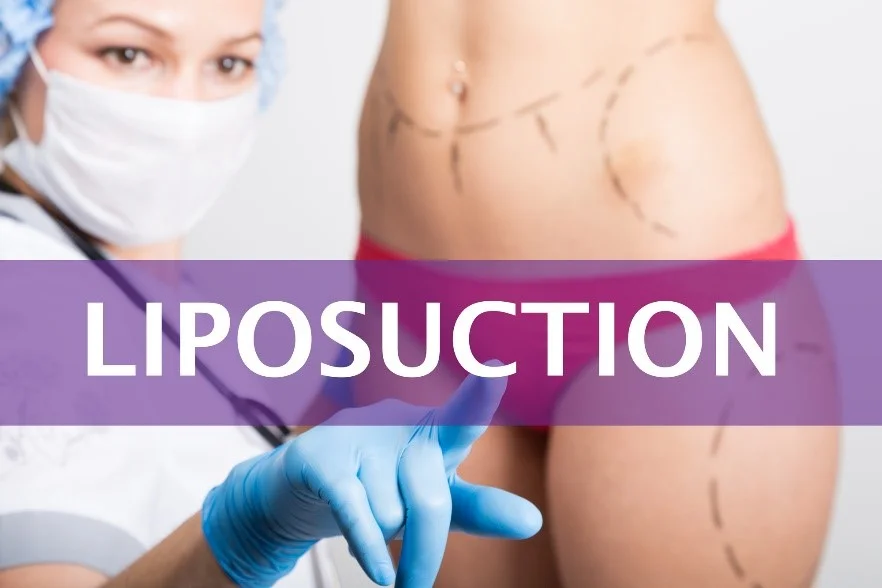
 If you’re considering liposuction surgery, it’s important to know all the facts about what to expect before, during, and after the procedure. Here is your ultimate guide to liposuction surgery.